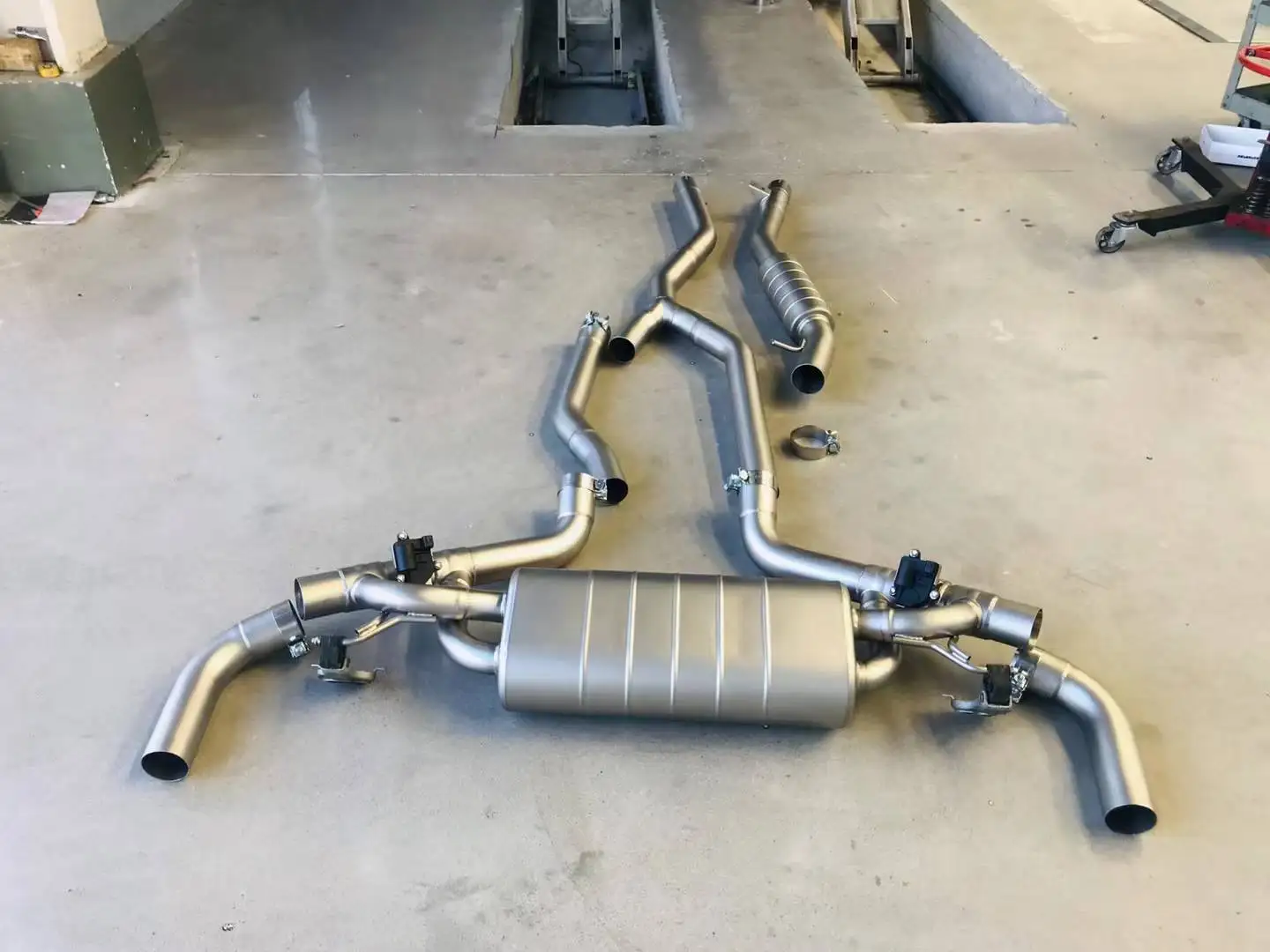
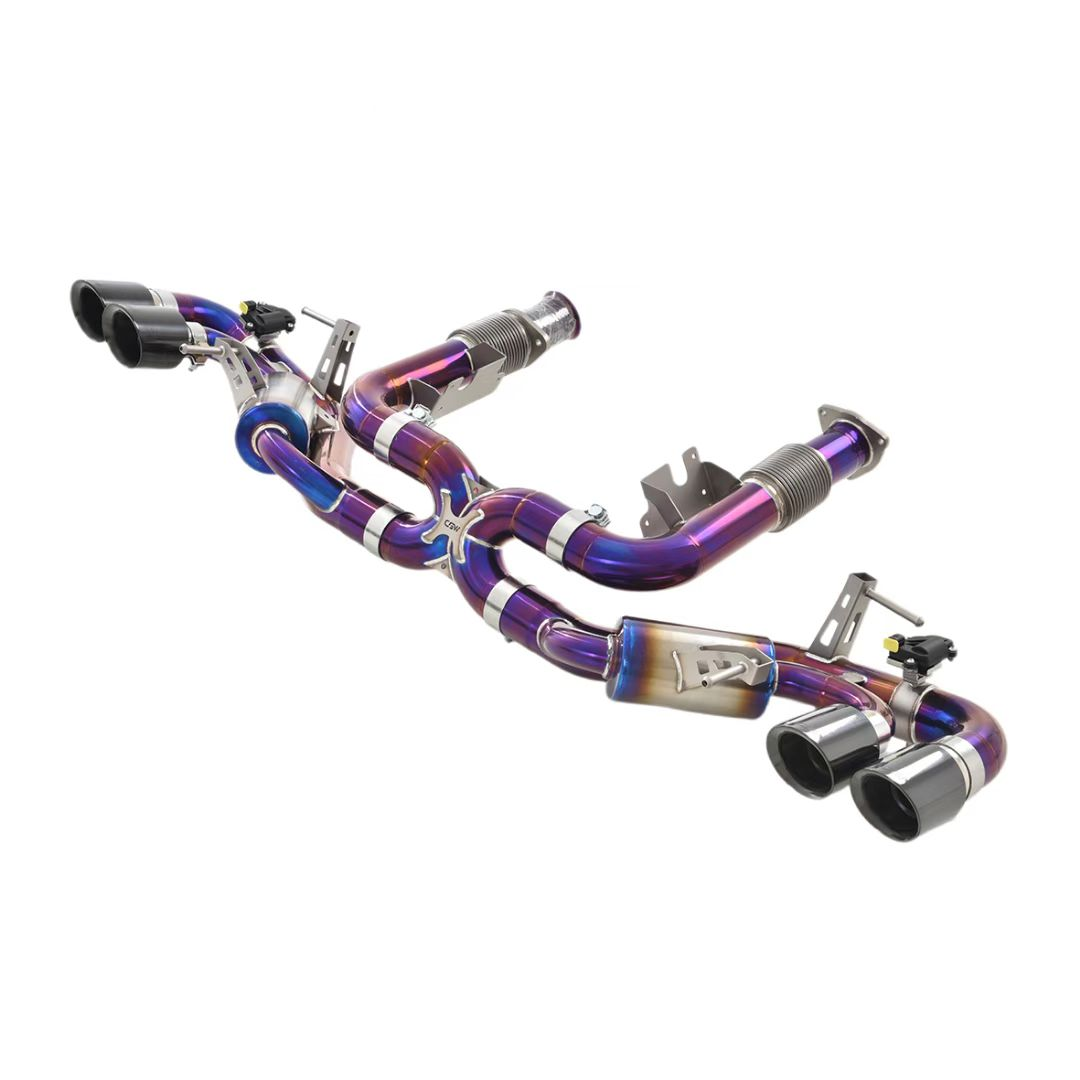
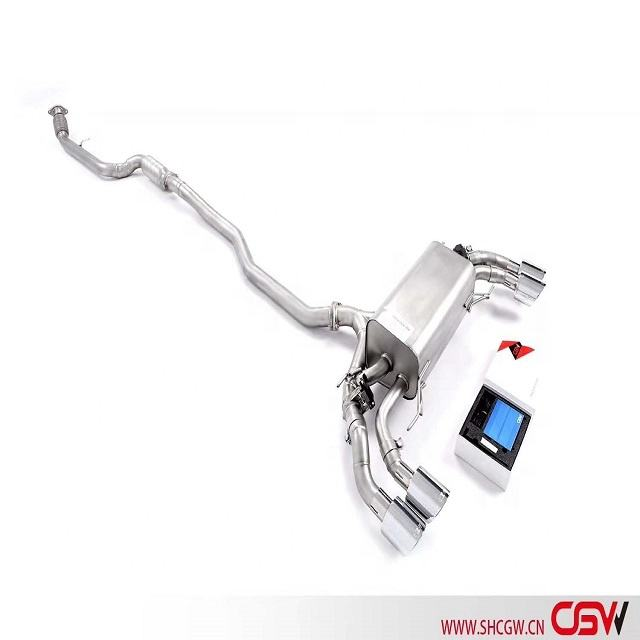
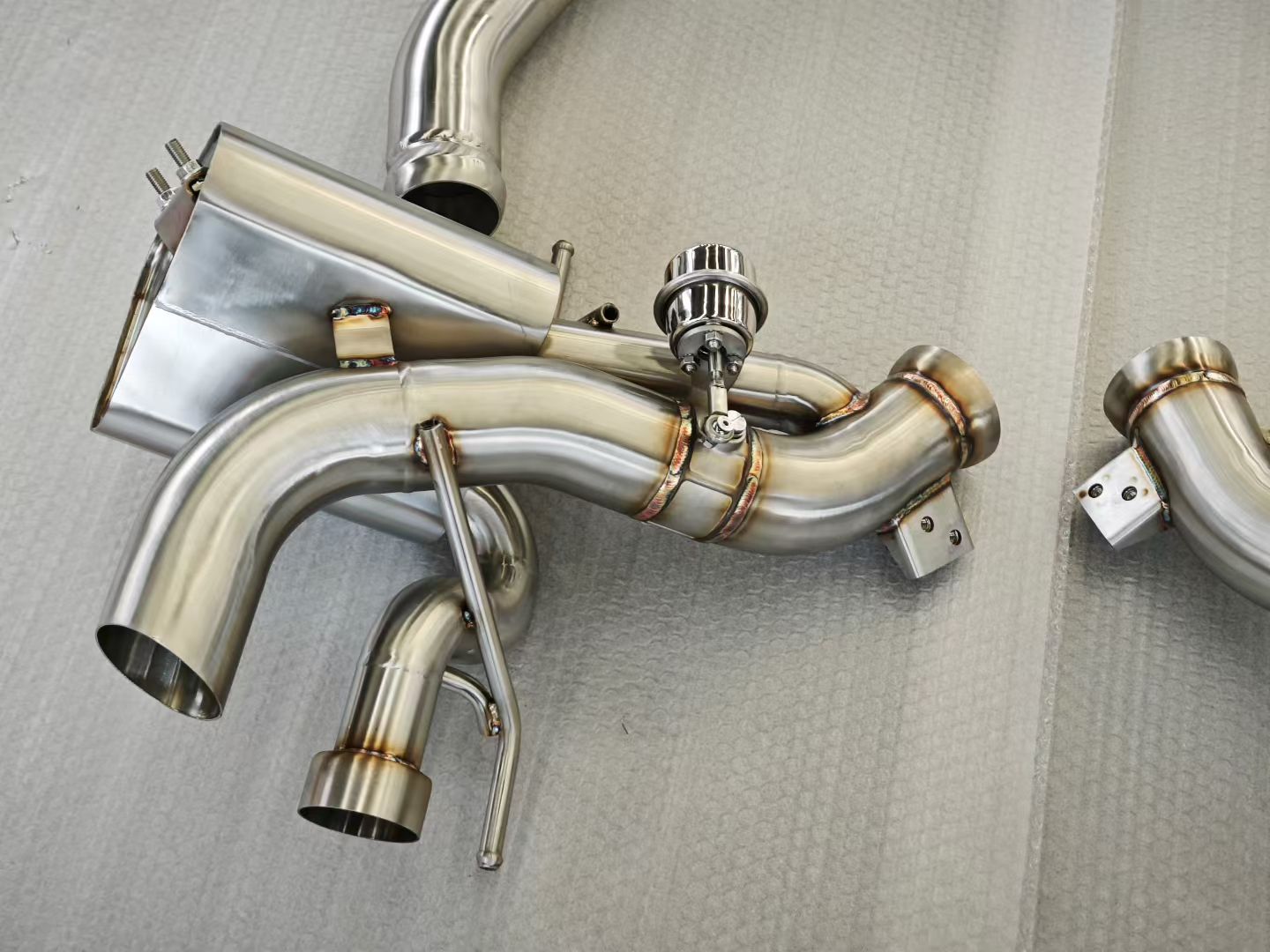
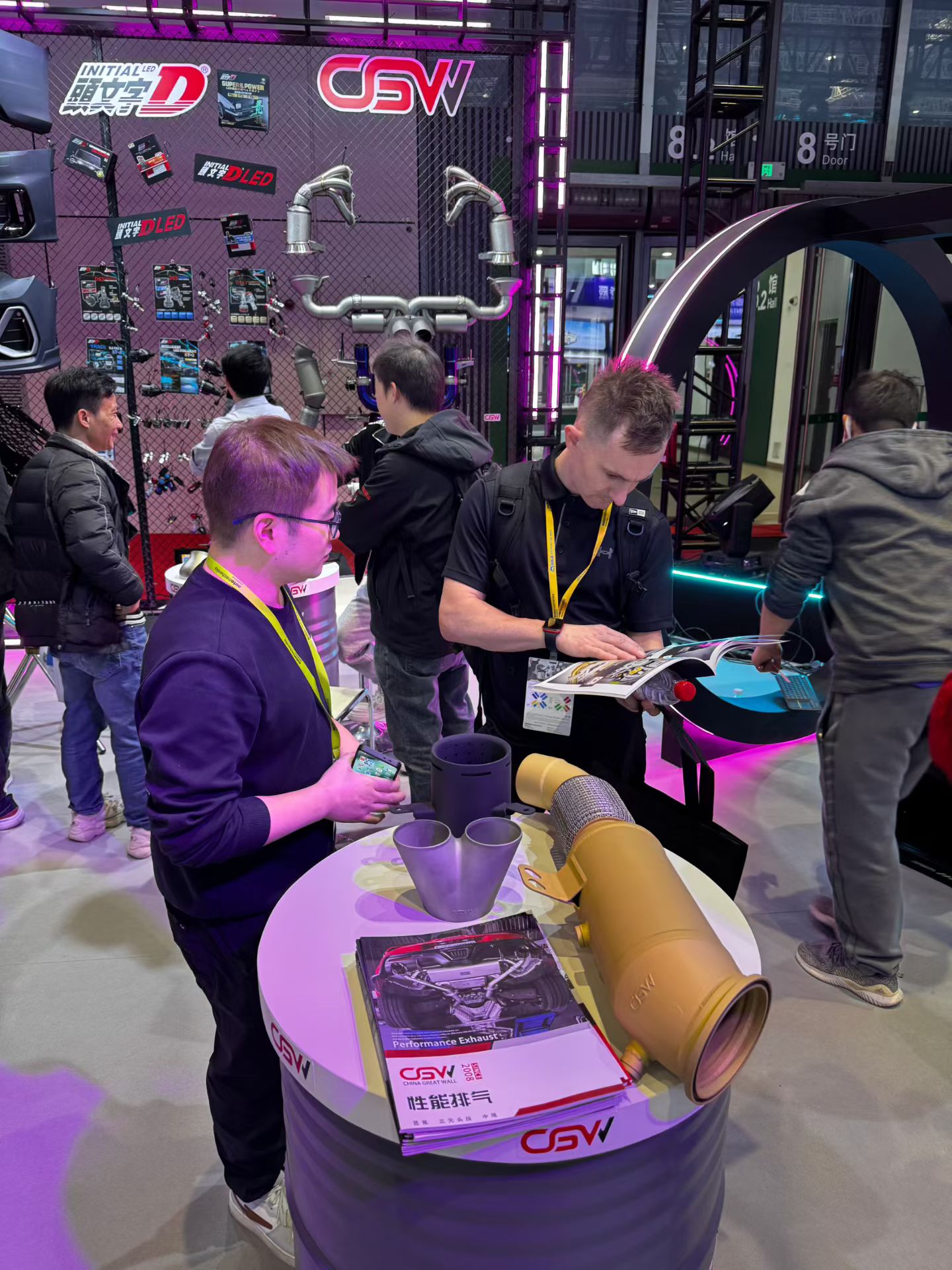
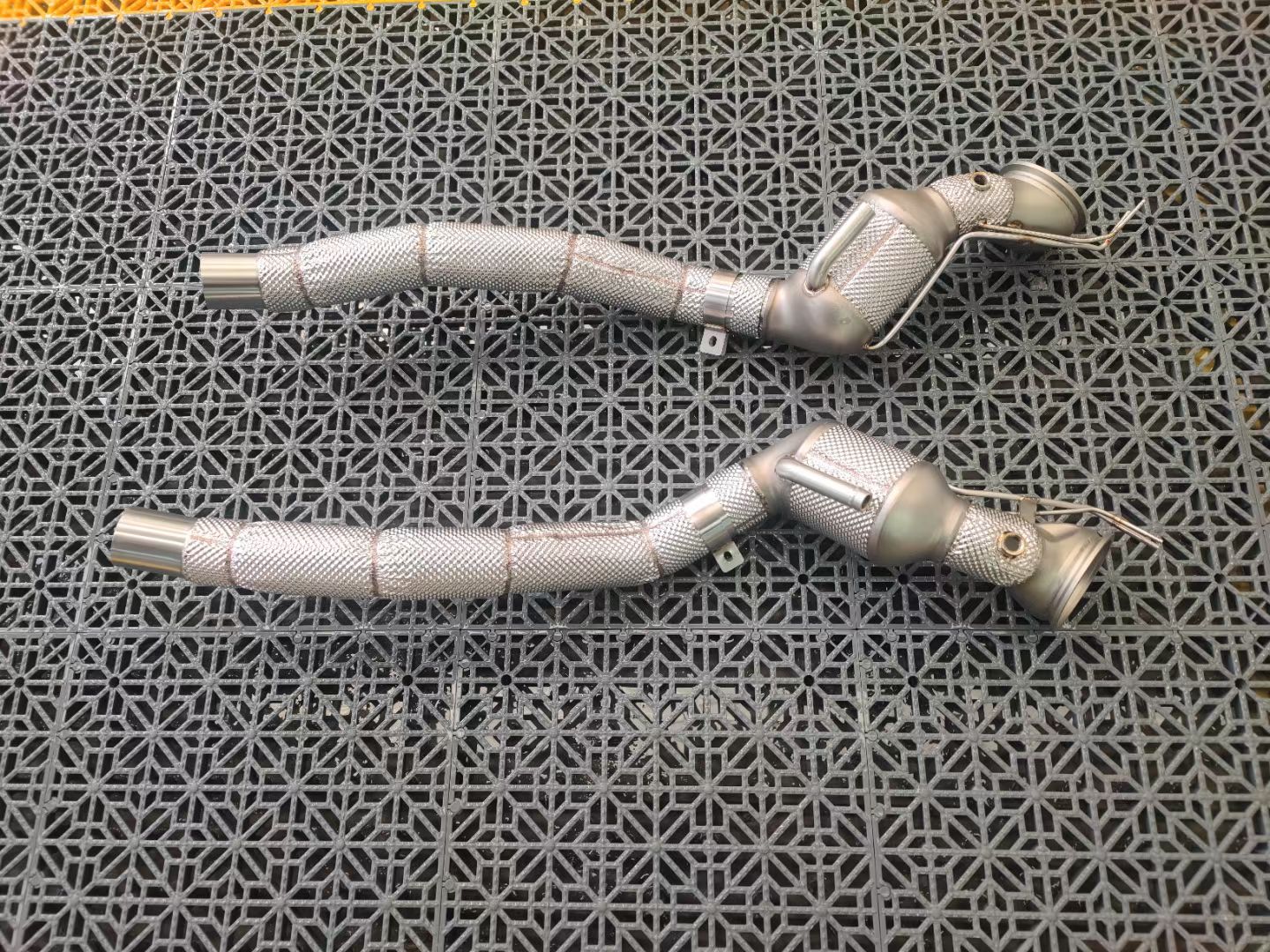
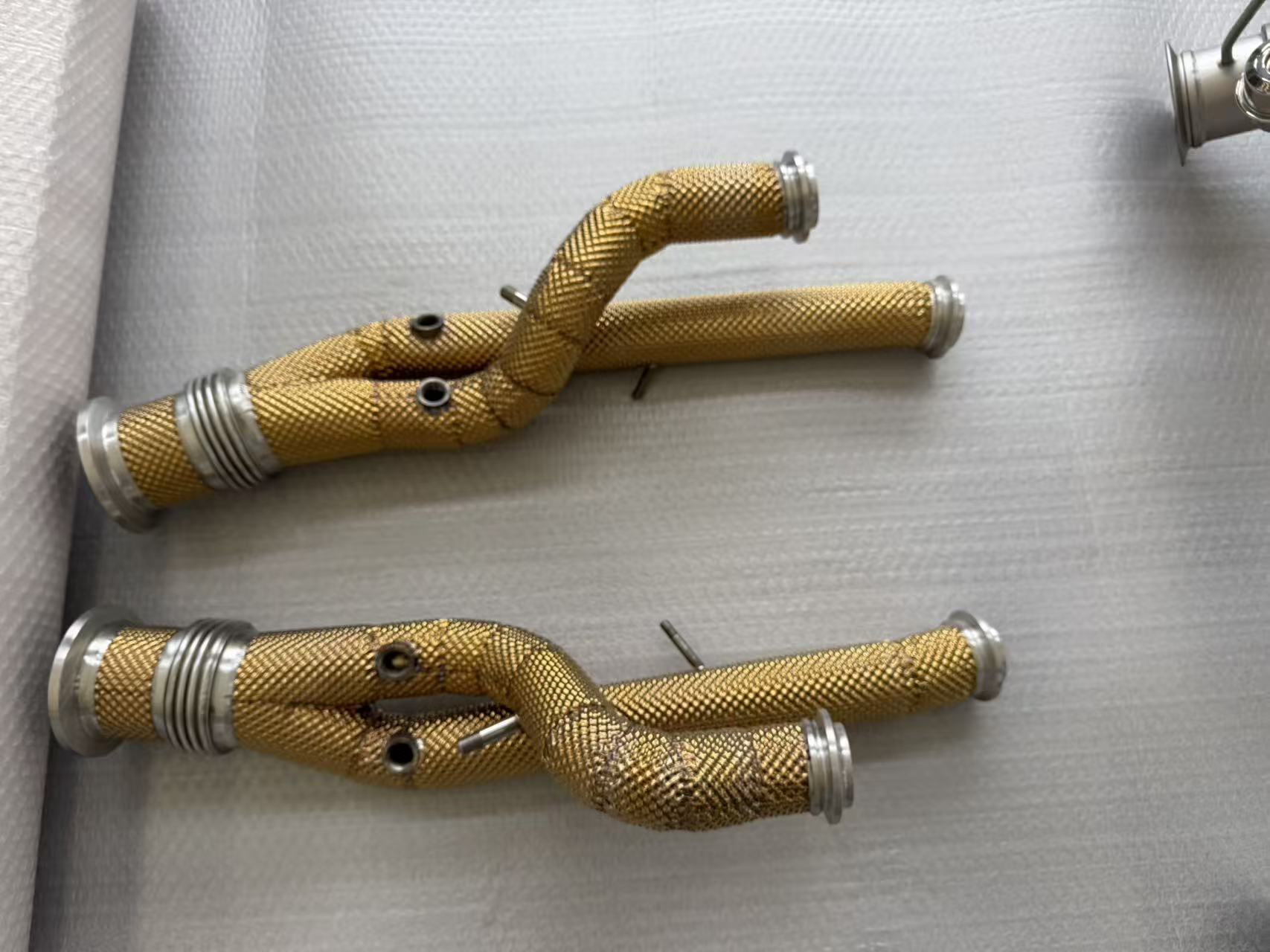
High-Performance Titanium Downpipe for Enhanced Exhaust Flow
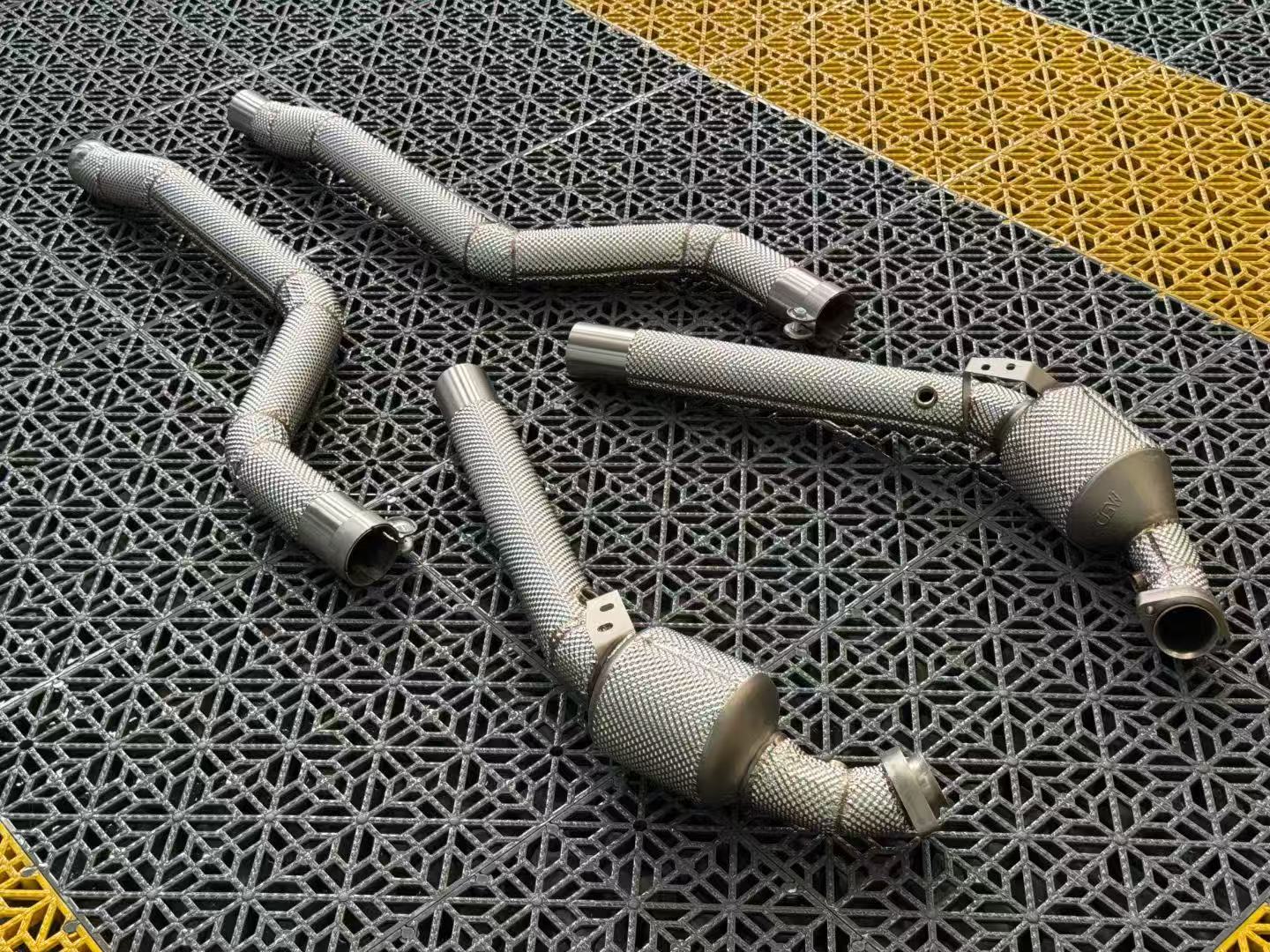
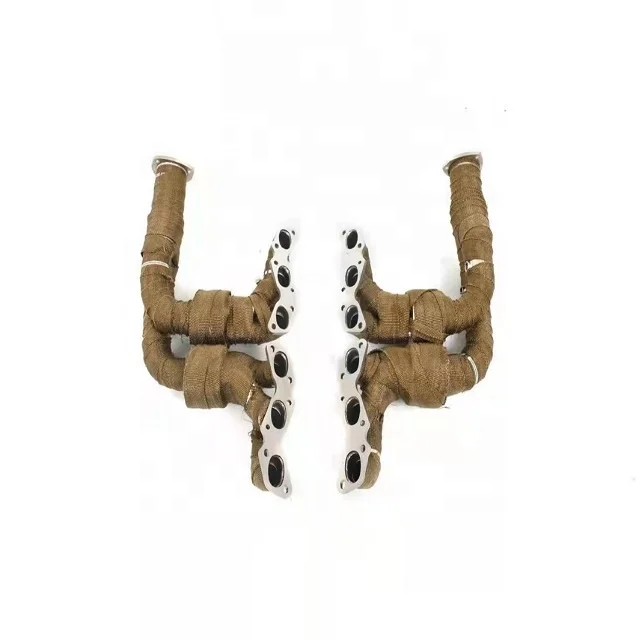
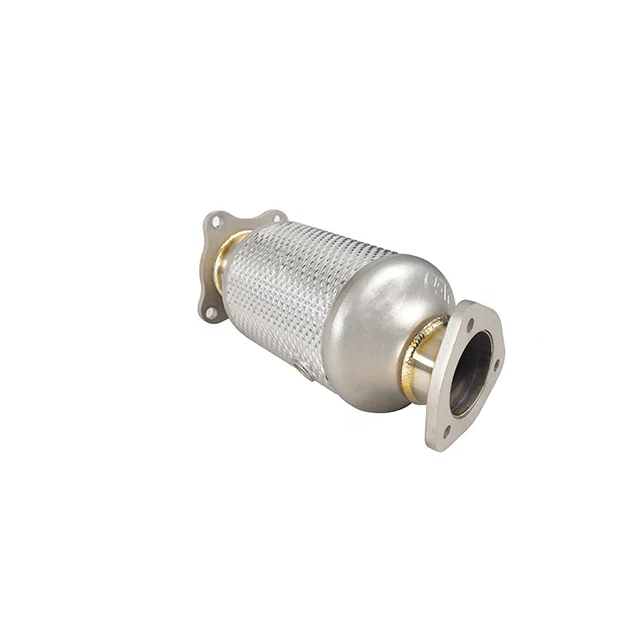
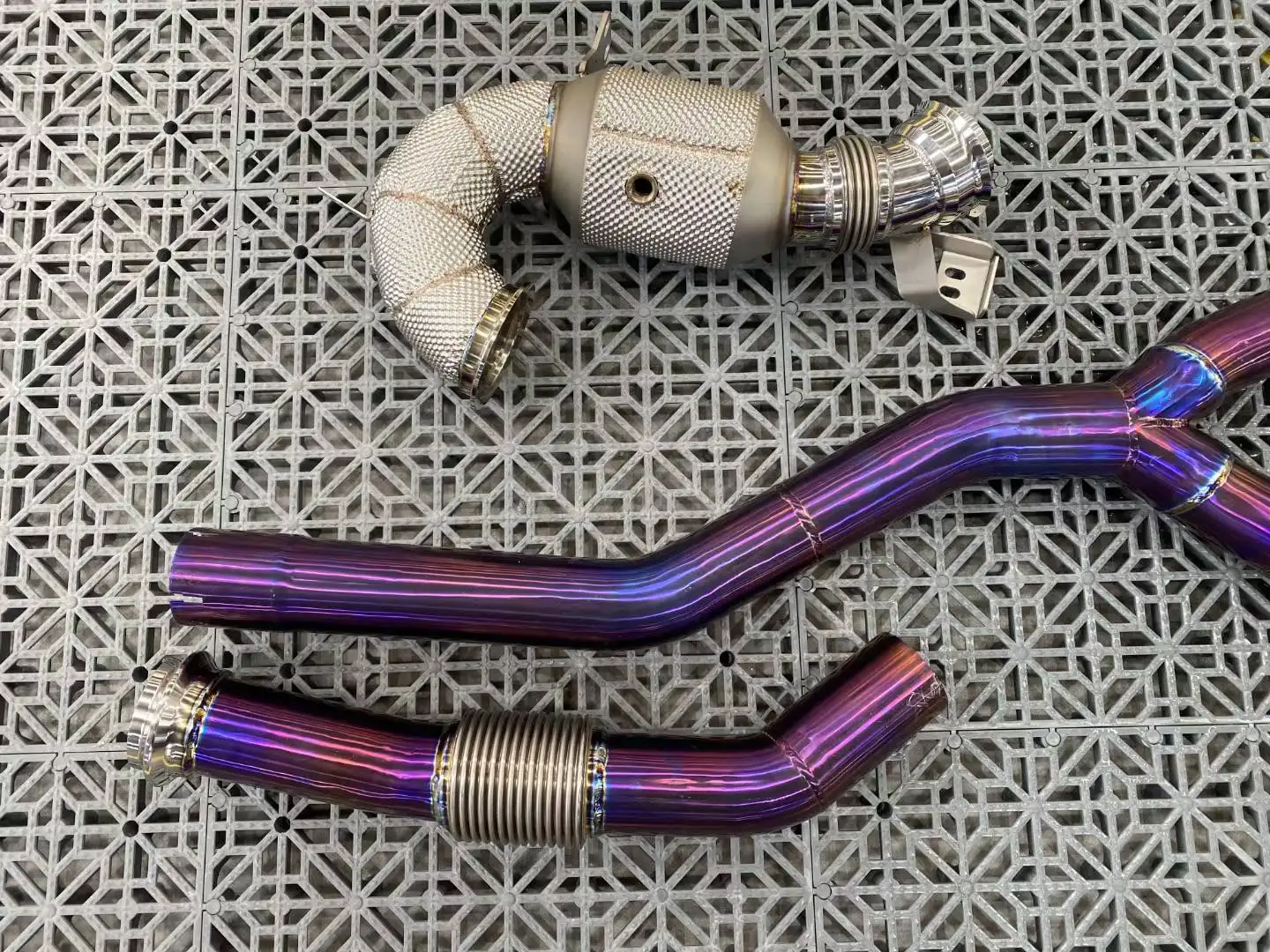
Discover the ultimate upgrade for your vehicle’s exhaust system with our premium titanium downpipe, engineered by Jiangsu Haoli Auto Parts Manufacturing Co., Ltd. (CGW). With over 18 years of expertise in designing and manufacturing performance exhaust systems, we deliver a titanium downpipe that offers unmatched durability, weight reduction, and thermal efficiency. Our titanium downpipe is precision-crafted to provide a perfect direct bolt-on fitment, ensuring easy installation and immediate performance gains. Whether you are a car enthusiast seeking to unleash your engine’s potential or a workshop looking for reliable high-quality parts, our titanium downpipe meets the highest standards. The advanced properties of titanium, including superior corrosion resistance and high-temperature tolerance, make our downpipe ideal for both street and track use. Experience reduced turbo lag, improved exhaust gas flow, and a distinctive sound with our titanium downpipe.
Get A Quote

 EN
EN