EN
EN



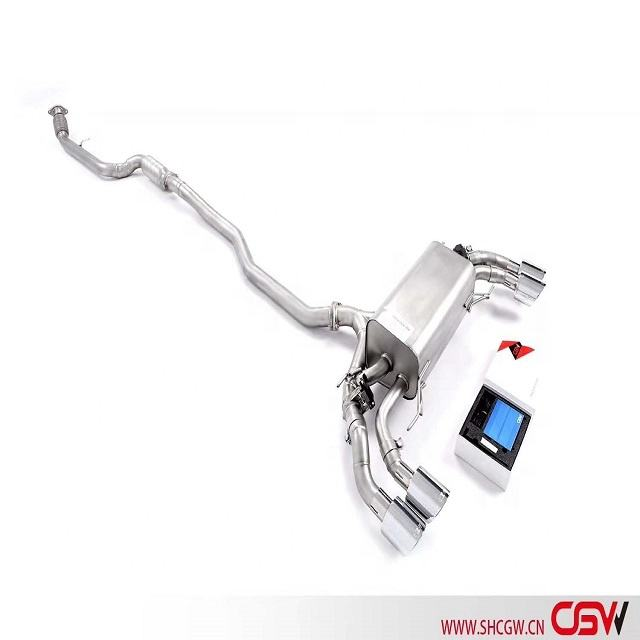
The Importance of Managing Downpipe Heat in Automotive and Industrial Applications
Downpipes operate in environments with high exhaust temperatures, especially under heavy load conditions. Without proper thermal protection, heat generated by exhaust components can affect nearby parts such as wiring harnesses, sensors, plastic brackets, and fluid lines.
Long-term exposure to excessive heat may accelerate material aging, reduce component reliability, and increase maintenance requirements.
For automotive manufacturers, performance upgrade companies, and industrial equipment suppliers, effective heat management is an important part of improving system reliability.
A stainless steel downpipe heat shield provides an additional thermal barrier, helping reduce heat transfer and protect surrounding components in demanding operating environments.
How Stainless Steel Downpipe Heat Shields Reduce Heat Transfer
Heat from a downpipe is transferred mainly through radiation and conduction.
Radiant heat can directly affect nearby components, while conductive heat may travel through mounting brackets or connected metal parts.
A properly designed heat shield helps control these heat transfer paths through several design elements:
Reflective metal surfaces
Controlled air gaps
Heat-resistant materials
Stable mounting structures
The air space between the downpipe and shield works as an insulating layer, reducing direct heat conduction. Meanwhile, stainless steel surfaces help manage radiant heat exposure and improve thermal protection performance.
The final effectiveness depends on shield design, installation position, surrounding airflow, and operating conditions.
Why Stainless Steel Is Commonly Used for Downpipe Heat Shields
Stainless steel is widely used in exhaust heat protection applications because of its durability and resistance to harsh environments.
Common stainless steel grades such as 304 and 321 provide:
Good oxidation resistance
High-temperature durability
Corrosion resistance
Strong mechanical stability under thermal cycling
321 stainless steel, which contains titanium, is often selected for applications requiring improved resistance to high-temperature environments.
These material characteristics allow heat shields to maintain structural performance during repeated heating and cooling cycles.
Design Factors That Influence Heat Shield Performance
Material selection alone does not determine heat protection performance. The overall design of the shield is equally important.
Important factors include:
Air Gap Design
The distance between the downpipe and the heat shield affects thermal insulation performance. Proper spacing helps reduce direct heat transfer while allowing airflow around the exhaust component.
Surface Treatment
Surface finish influences heat radiation behavior. Polished or treated stainless steel surfaces can improve thermal reflection compared with untreated surfaces.
Mounting Structure
A reliable mounting system prevents vibration-related contact between the shield and exhaust components. Proper brackets and fasteners help maintain consistent positioning during vehicle operation.
Protecting Critical Components Around the Downpipe
Downpipe heat shields are commonly used to protect sensitive components located near exhaust systems.
Typical protected parts include:
Wiring harnesses
Electronic sensors
Plastic mounting components
Fuel or fluid lines
Engine compartment accessories
By reducing direct exposure to exhaust heat, heat shields help improve component durability and reduce the risk of heat-related failures.
Applications of Stainless Steel Downpipe Heat Shields
Heat protection solutions are widely used in different applications, including:
Turbocharged vehicles
Performance exhaust systems
Commercial vehicles
Heavy-duty equipment
Industrial engine systems
These applications often operate under demanding thermal conditions where reliable exhaust heat management is required.
Choosing a Reliable Heat Shield Manufacturing Partner
For OEM and aftermarket customers, selecting the right heat shield supplier requires evaluating:
Material quality
Manufacturing capability
Welding and forming technology
Customization ability
Quality inspection processes
A professional manufacturer can provide customized stainless steel downpipe heat shields based on vehicle structure, exhaust layout, and customer requirements.
Through proper material selection and engineering design, stainless steel heat shields help improve exhaust system reliability while protecting surrounding components from excessive thermal exposure.
FAQ
Why are downpipe heat shields important?
Downpipe heat shields help reduce heat transfer from exhaust components and protect nearby parts from excessive thermal exposure.
Why is stainless steel used for exhaust heat shields?
Stainless steel offers good heat resistance, corrosion resistance, and durability, making it suitable for demanding exhaust environments.
How does an air gap improve heat shield performance?
An air gap reduces direct contact between the exhaust component and shield, helping limit conductive heat transfer.
Which applications need downpipe heat shields?
Turbocharged vehicles, performance exhaust systems, commercial vehicles, and industrial engines can benefit from improved thermal protection.
Can heat shields be customized?
Yes. Manufacturers can customize heat shields according to exhaust design, vehicle structure, material requirements, and customer specifications.
Table of Contents
- The Importance of Managing Downpipe Heat in Automotive and Industrial Applications
- How Stainless Steel Downpipe Heat Shields Reduce Heat Transfer
- Why Stainless Steel Is Commonly Used for Downpipe Heat Shields
- Design Factors That Influence Heat Shield Performance
- Protecting Critical Components Around the Downpipe
- Applications of Stainless Steel Downpipe Heat Shields
- Choosing a Reliable Heat Shield Manufacturing Partner
- FAQ