EN
EN



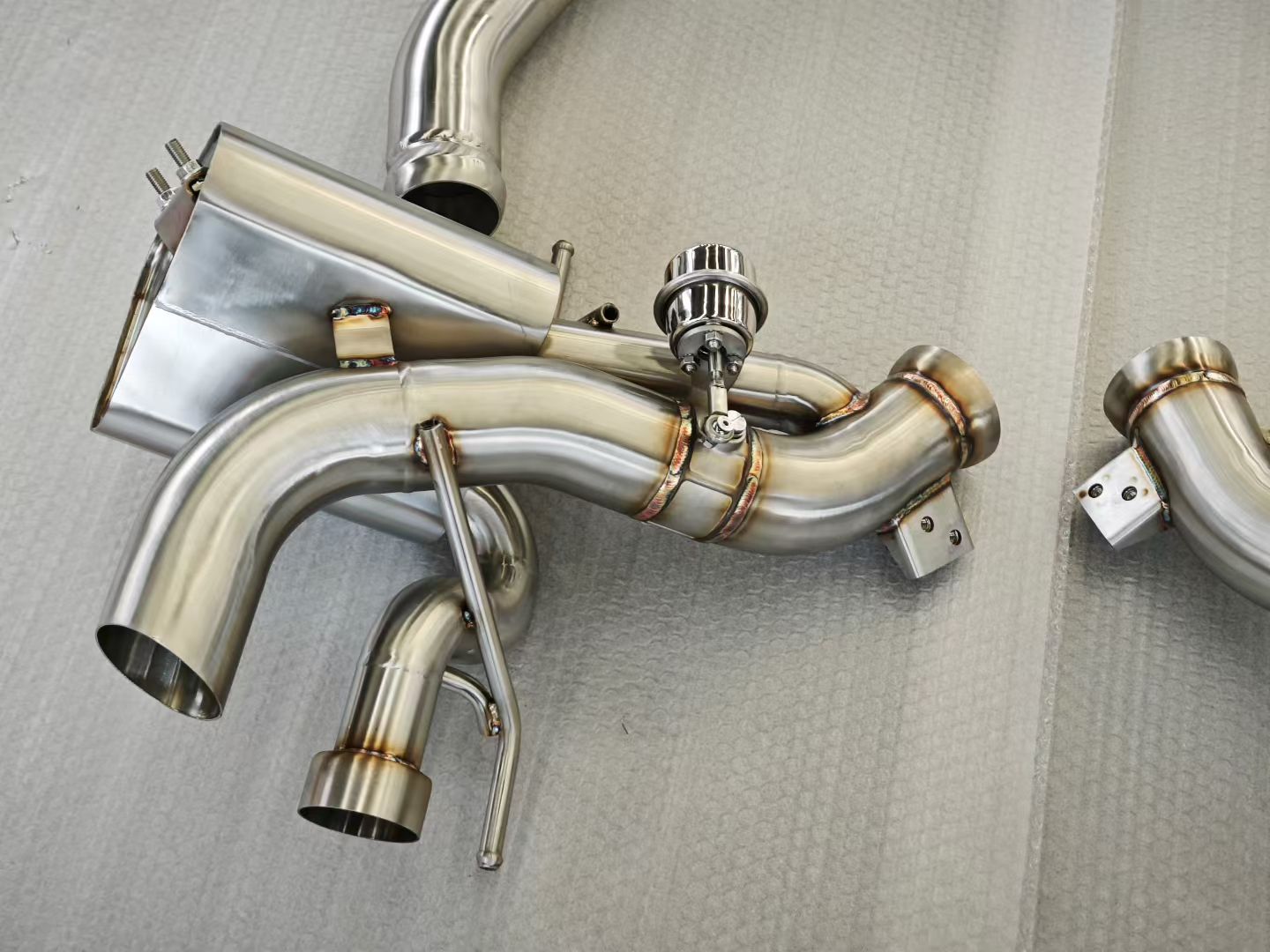
The Importance of OEM Fitment in Downpipe Upgrades
A downpipe upgrade is a common modification for improving exhaust system performance. However, installation quality depends heavily on whether the downpipe matches the original vehicle structure.
Universal exhaust components often require additional adjustment, including cutting, welding, or repositioning brackets. These extra steps may increase installation difficulty and create uncertainty during assembly.
A complete downpipe kit designed according to OEM mounting locations provides a more convenient solution. By matching factory connection points, flange positions, and hanger locations, a direct-fit design helps simplify installation and improve overall reliability.
How Complete Downpipe Kits Reduce Installation Complexity
Traditional custom exhaust fabrication requires technicians to measure vehicle space, modify pipe sections, adjust angles, and confirm clearance repeatedly.
This process requires professional skills and additional equipment.
A properly engineered downpipe kit reduces these challenges by incorporating:
OEM-style flange positioning
Vehicle-specific bracket locations
Compatible sensor positions
Optimized pipe routing
For installation shops, this means more predictable installation procedures and fewer modification requirements.
For distributors and aftermarket brands, direct-fit downpipe products provide a more consistent customer experience.
CAD Design and Vehicle Scanning Improve Downpipe Accuracy
Modern exhaust manufacturers use digital engineering technologies to improve product development.
Through 3D scanning, CAD modeling, and digital simulation, engineers can analyze original exhaust layouts and reproduce important vehicle interfaces.
The design process typically focuses on:
Turbocharger connection points
Exhaust routing space
Mounting bracket positions
Sensor installation locations
Heat clearance requirements
Digital design allows potential interference issues to be identified earlier in development, helping manufacturers create products with better vehicle compatibility.
Testing Procedures Ensure Reliable Bolt On Performance
A complete downpipe kit requires more than accurate digital design. Physical testing is also important for confirming real-world performance.
Professional manufacturers may use:
Prototype installation testing
Fixture and jig verification
Flange alignment checks
Leak inspection
Vehicle fitment evaluation
These procedures help confirm that the downpipe can be installed correctly while maintaining proper sealing and clearance.
Combining digital development with practical testing allows manufacturers to deliver products that better match customer expectations.
Flange and Gasket Design Affect Long Term Reliability
The connection between the downpipe and other exhaust components requires careful engineering.
High-quality downpipe kits usually consider:
Flange thickness
Surface flatness
Bolt positioning
Gasket compatibility
Proper flange design helps maintain stable sealing during repeated heating and cooling cycles.
Suitable gasket selection also plays an important role in reducing exhaust leakage risks and improving connection durability.
For performance vehicles and high-temperature applications, reliable sealing is essential for maintaining exhaust system performance.
Advantages of Vehicle Specific Downpipe Kits for OEM and Aftermarket Buyers
Vehicle-specific downpipe kits provide several advantages:
Improved installation compatibility
Reduced modification requirements
More consistent production quality
Easier inventory management
Better customer satisfaction
For automotive distributors and aftermarket companies, working with an experienced downpipe manufacturer can help create reliable products for different vehicle platforms.
Choosing a Professional Downpipe Manufacturer
A reliable downpipe supplier should have strong capabilities in:
Product development
CNC machining
Pipe forming
Precision welding
Quality inspection
Customized production
By combining engineering expertise with advanced manufacturing processes, professional suppliers can provide complete downpipe solutions for OEM, ODM, and aftermarket applications.
A well-designed complete downpipe kit is not only a performance upgrade component but also a product that delivers better installation experience and long-term reliability.
FAQ
What is a complete downpipe kit?
A complete downpipe kit includes the main downpipe components and related installation parts designed for a specific vehicle application.
Why choose a bolt-on downpipe instead of a universal pipe?
Bolt-on downpipes are designed around factory mounting points, helping reduce the need for cutting, welding, or additional modifications.
How does CAD technology improve downpipe production?
CAD modeling and digital scanning help manufacturers reproduce vehicle geometry and optimize fitment before production.
What factors affect downpipe installation quality?
Important factors include flange accuracy, bracket positioning, gasket compatibility, and overall manufacturing quality.
Can downpipe manufacturers provide customized solutions?
Yes. Many manufacturers support OEM, ODM, and vehicle-specific customization according to customer requirements.
Table of Contents
- The Importance of OEM Fitment in Downpipe Upgrades
- How Complete Downpipe Kits Reduce Installation Complexity
- CAD Design and Vehicle Scanning Improve Downpipe Accuracy
- Testing Procedures Ensure Reliable Bolt On Performance
- Flange and Gasket Design Affect Long Term Reliability
- Advantages of Vehicle Specific Downpipe Kits for OEM and Aftermarket Buyers
- Choosing a Professional Downpipe Manufacturer
- FAQ