EN
EN



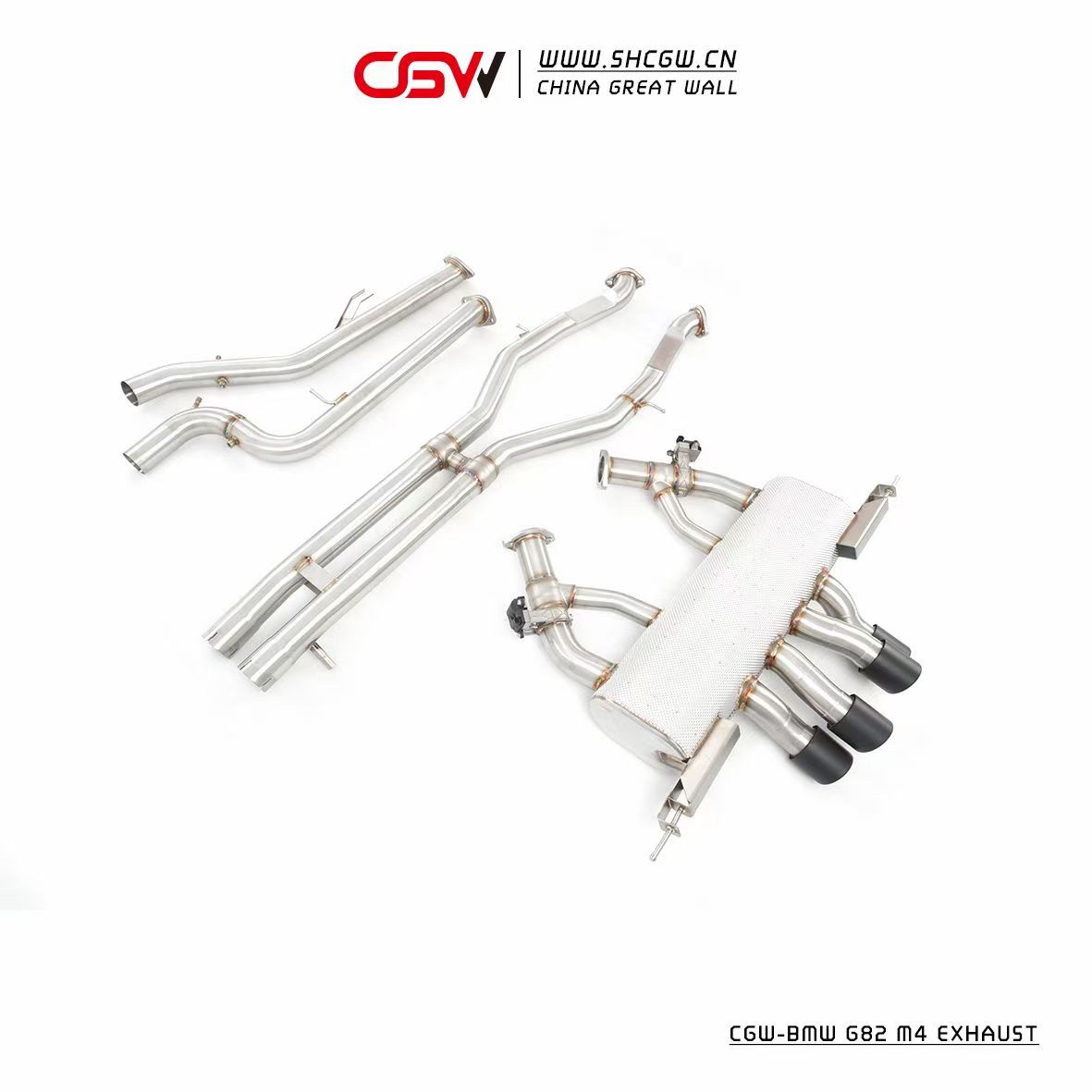
A cat-back exhaust system is one of the most popular upgrades for improving vehicle sound, exhaust flow, and driving experience. Installed after the catalytic converter, a cat-back system normally includes exhaust piping, resonators, mufflers, and related components.
For daily drivers, the ideal exhaust upgrade requires a balance between performance, sound quality, durability, and legal compliance. A well-designed system should improve exhaust efficiency while maintaining comfortable driving characteristics for everyday use.
For performance applications, exhaust design becomes more focused on airflow optimization, weight reduction, and acoustic tuning. Choosing the correct structure and materials is essential to achieving reliable results.
Road-Legal Considerations for Daily-Driven Cat-Back Exhaust Systems
When selecting a cat-back exhaust system for street use, compliance with local regulations should be considered. Because the catalytic converter is usually retained, cat-back systems generally focus on improving the downstream exhaust section rather than modifying emission-control components.
However, different regions have different requirements regarding:
Noise limits
Emission regulations
Vehicle inspection standards
Certification requirements
For vehicles equipped with gasoline particulate filters (GPF), the exhaust system design should ensure compatibility with the original emissions system to avoid warning lights or drivability issues.
A road-oriented exhaust system typically uses resonators and properly designed mufflers to reduce unwanted cabin noise while maintaining improved exhaust characteristics.
Resonated and Non-Resonated Cat-Back Designs
One of the key decisions when choosing a cat-back exhaust system is whether to use a resonated design.
Resonators are designed to control specific sound frequencies and reduce low-frequency cabin drone, especially during steady-speed driving. This makes resonated systems suitable for vehicles that are used for commuting, long-distance driving, and daily transportation.
Non-resonated systems generally provide a louder and more aggressive exhaust tone. They are often preferred by enthusiasts who prioritize maximum sound output and a sportier driving experience.
The correct design depends on factors such as:
Engine configuration
Exhaust pipe diameter
Vehicle usage
Sound preference
A properly matched resonator can improve sound quality without significantly restricting exhaust flow.
How Cat-Back Design Influences Performance
A cat-back exhaust system affects how efficiently exhaust gases leave the vehicle. Pipe diameter, bending method, muffler structure, and internal design all influence airflow characteristics.
An oversized exhaust pipe does not always provide better performance. If the diameter is too large, exhaust velocity may decrease, which can affect throttle response and low-speed drivability.
A well-engineered system focuses on maintaining a balance between:
Exhaust flow efficiency
Gas velocity
Engine characteristics
Driving conditions
For naturally aspirated and turbocharged engines, the ideal exhaust design may vary depending on the engine’s power range and intended application.
Valved Cat-Back Exhaust Systems for Flexible Driving Modes
Valved cat-back exhaust systems provide adjustable sound control by using exhaust valves to change airflow paths.
During normal driving, the valve can reduce exhaust noise and improve cabin comfort. Under heavier acceleration, the valve opens to provide a more aggressive exhaust note.
The advantages of valved systems include:
Adjustable sound levels
Improved driving flexibility
Better balance between daily use and performance driving
Reduced compromise between comfort and sportiness
The durability of a valved exhaust system depends on valve materials, actuator quality, heat resistance, and overall manufacturing precision.
High-quality stainless steel construction and reliable valve mechanisms help maintain long-term performance in demanding environments.
Materials and Manufacturing Quality of Cat-Back Exhaust Systems
Material selection plays an important role in exhaust system durability.
Common materials include:
304 stainless steel
409 stainless steel
Titanium alloys for specialized applications
Stainless steel exhaust systems are widely used because they provide corrosion resistance and reliable performance under high-temperature conditions.
Manufacturing processes such as:
Mandrel bending
Precision welding
Leak testing
Surface finishing
help ensure consistent quality and long service life.
For aftermarket brands and vehicle manufacturers, OEM and ODM exhaust solutions allow customization of pipe layout, sound characteristics, and appearance according to specific vehicle requirements.
Choosing the Right Cat-Back Exhaust System
The best cat-back exhaust system depends on the vehicle type, driving environment, and performance goals.
Before selecting an exhaust upgrade, consider:
Daily driving requirements
Desired sound level
Vehicle compatibility
Material requirements
Local regulations
Performance expectations
A professionally designed cat-back system can provide improved sound, enhanced appearance, and optimized exhaust flow while maintaining reliability.
For manufacturers and distributors, working with an experienced exhaust system supplier helps ensure consistent product quality, customization capability, and stable supply for different automotive applications.
FAQ
What is a cat-back exhaust system?
A cat-back exhaust system includes the exhaust components installed after the catalytic converter, such as pipes, resonators, and mufflers.
Are cat-back exhaust systems suitable for daily driving?
Yes. A properly designed cat-back system can be suitable for daily driving when it maintains appropriate sound levels and complies with local regulations.
What is the difference between resonated and non-resonated exhaust systems?
Resonated systems use additional sound-control components to reduce unwanted frequencies, while non-resonated systems usually provide a louder and more aggressive exhaust tone.
Do valved exhaust systems improve performance?
Valved exhaust systems mainly provide sound adjustment and driving flexibility. Performance effects depend on the overall exhaust design and vehicle application.
What materials are commonly used for cat-back exhaust systems?
Stainless steel is commonly used because of its corrosion resistance, durability, and suitability for high-temperature exhaust environments.
Table of Contents
- Road-Legal Considerations for Daily-Driven Cat-Back Exhaust Systems
- Resonated and Non-Resonated Cat-Back Designs
- How Cat-Back Design Influences Performance
- Valved Cat-Back Exhaust Systems for Flexible Driving Modes
- Materials and Manufacturing Quality of Cat-Back Exhaust Systems
- Choosing the Right Cat-Back Exhaust System
- FAQ