EN
EN



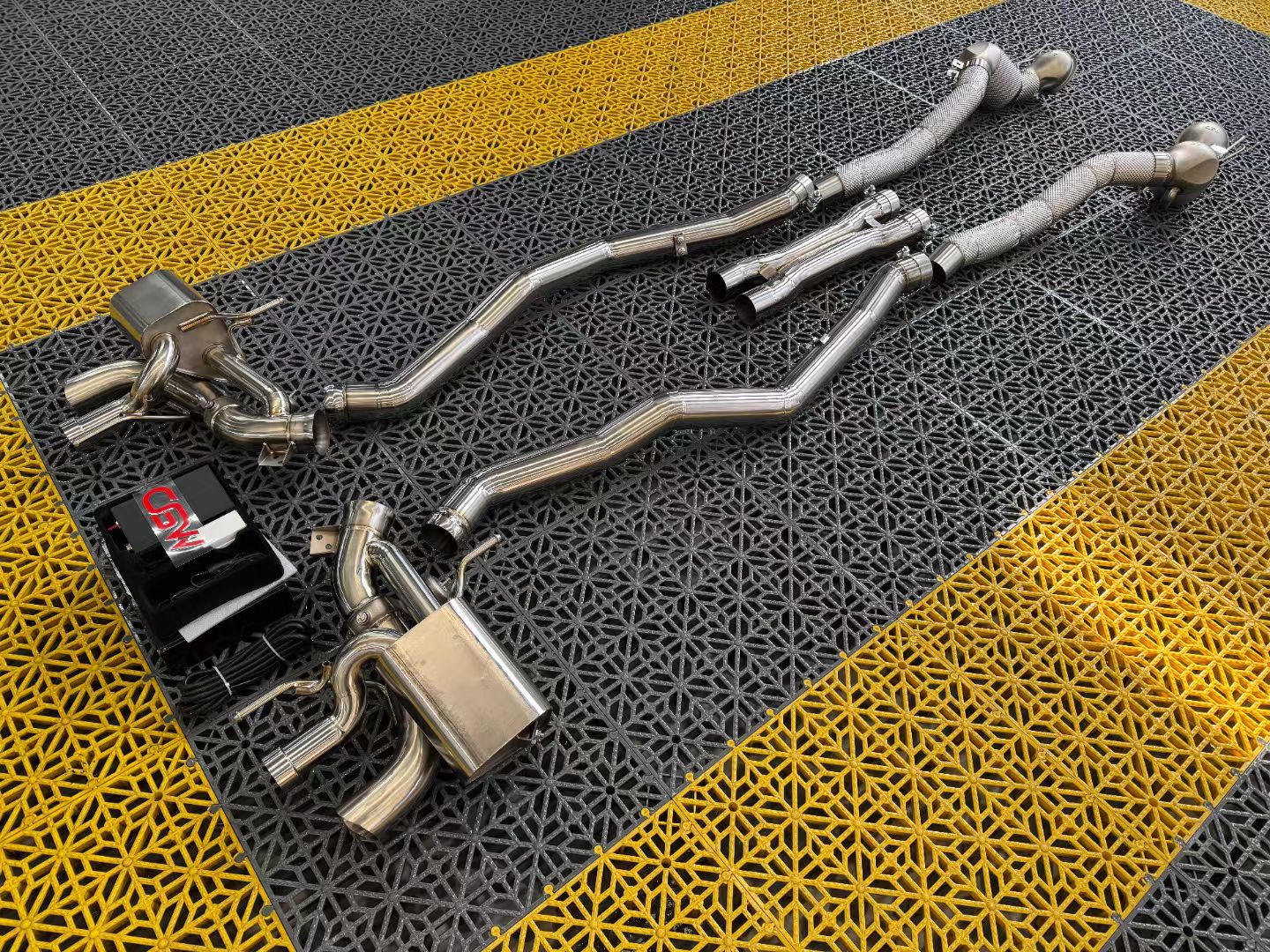
Why Exhaust Tip Design Matters in the Automotive Aftermarket
Exhaust tips are no longer viewed only as functional exhaust components. In the automotive aftermarket, they have become an important styling element that helps vehicle owners personalize appearance and create a unique visual identity.
For dealers and aftermarket brands, offering distinctive exhaust tip designs provides an opportunity to differentiate products beyond basic specifications. Shapes, finishes, materials, and branding details can influence customer perception and help create a stronger connection between the product and the brand.
A well-designed exhaust tip combines appearance, durability, and manufacturing quality, making it a valuable accessory for customized vehicles and performance-oriented applications.
Custom Exhaust Tips as a Tool for Dealer Brand Identity
A customized exhaust tip can become a recognizable feature of a dealer’s product offering. Unique designs, surface treatments, and branding elements allow dealers to create products that stand apart from standard aftermarket components.
Common customization options include:
Custom outlet shapes
Laser-engraved logos
Special surface finishes
Different wall structures
Exclusive packaging designs
Through ODM cooperation, dealers can develop exhaust tips that match their brand positioning instead of relying on common market designs.
A consistent design language across products can help improve brand recognition and encourage customer loyalty.
How ODM Manufacturing Supports Exhaust Tip Customization
ODM cooperation allows dealers to work directly with manufacturers during product development. Instead of selecting only existing designs, companies can participate in defining appearance, materials, and functional requirements.
A typical ODM development process may include:
Concept discussion
3D design and engineering evaluation
Prototype production
Sample testing
Mass production preparation
This integrated approach helps reduce communication barriers and improves efficiency during product development.
For aftermarket distributors, ODM manufacturing provides greater flexibility in creating exclusive product lines while maintaining professional production standards.
Balancing Visual Design and Product Durability
While appearance is important, exhaust tips must also withstand demanding automotive environments.
Material selection plays a key role in product performance. Stainless steel is widely used in exhaust accessories because of its corrosion resistance, strength, and suitability for high-temperature conditions.
Common design considerations include:
Material thickness
Welding quality
Surface finishing
Heat resistance
Installation compatibility
Popular surface treatments include polishing, black coating, carbon-style finishes, and other decorative processes that improve appearance while supporting long-term durability.
Manufacturing Capabilities for Custom Exhaust Tip Production
Professional exhaust tip suppliers combine engineering experience with manufacturing technology to deliver consistent products.
Important production capabilities include:
Precision forming
CNC machining
Laser cutting
Accurate welding
Surface treatment
Quality inspection
These processes allow manufacturers to produce different exhaust tip designs for automotive brands, distributors, and aftermarket retailers.
OEM and ODM services can also support customized branding requirements, including logo application, packaging solutions, and product variations for different vehicle markets.
Protecting Exclusive Exhaust Tip Designs Through ODM Partnerships
For dealers developing unique exhaust tip products, clear cooperation agreements are important.
ODM contracts should define:
Design ownership
Confidentiality requirements
Usage rights
Production responsibilities
Protection of customized features
Clear agreements help both parties maintain a stable partnership and reduce risks related to design reuse or unauthorized production.
Building a long-term relationship with a reliable exhaust tip manufacturer allows brands to maintain consistent quality and develop competitive aftermarket products.
Choosing the Right Exhaust Tip Manufacturer
Selecting a suitable exhaust tip supplier requires evaluating more than product appearance.
Important factors include:
Manufacturing experience
Customization capability
Material quality
Production consistency
Quality control systems
Communication efficiency
A capable manufacturer can support dealers with customized designs, stable supply, and flexible solutions for different aftermarket requirements.
For automotive brands looking to expand their product portfolio, custom exhaust tips provide a practical way to enhance vehicle styling and strengthen market differentiation.
FAQ
Why are custom exhaust tips popular in the aftermarket?
Custom exhaust tips allow vehicle owners and brands to improve appearance and create a more personalized vehicle style.
Can exhaust tips be customized with logos or special designs?
Yes. Many manufacturers provide customization options such as laser engraving, special finishes, and unique outlet designs.
What materials are commonly used for exhaust tips?
Stainless steel is commonly used because it provides corrosion resistance, durability, and a suitable appearance for automotive applications.
What are the benefits of ODM exhaust tip production?
ODM production allows dealers to develop exclusive designs, customize product features, and create branded aftermarket products.
How can dealers choose a reliable exhaust tip supplier?
Dealers should consider manufacturing capability, customization experience, quality control, and long-term cooperation ability when selecting a supplier.
Table of Contents
- Why Exhaust Tip Design Matters in the Automotive Aftermarket
- Custom Exhaust Tips as a Tool for Dealer Brand Identity
- How ODM Manufacturing Supports Exhaust Tip Customization
- Balancing Visual Design and Product Durability
- Manufacturing Capabilities for Custom Exhaust Tip Production
- Protecting Exclusive Exhaust Tip Designs Through ODM Partnerships
- Choosing the Right Exhaust Tip Manufacturer
- FAQ