EN
EN



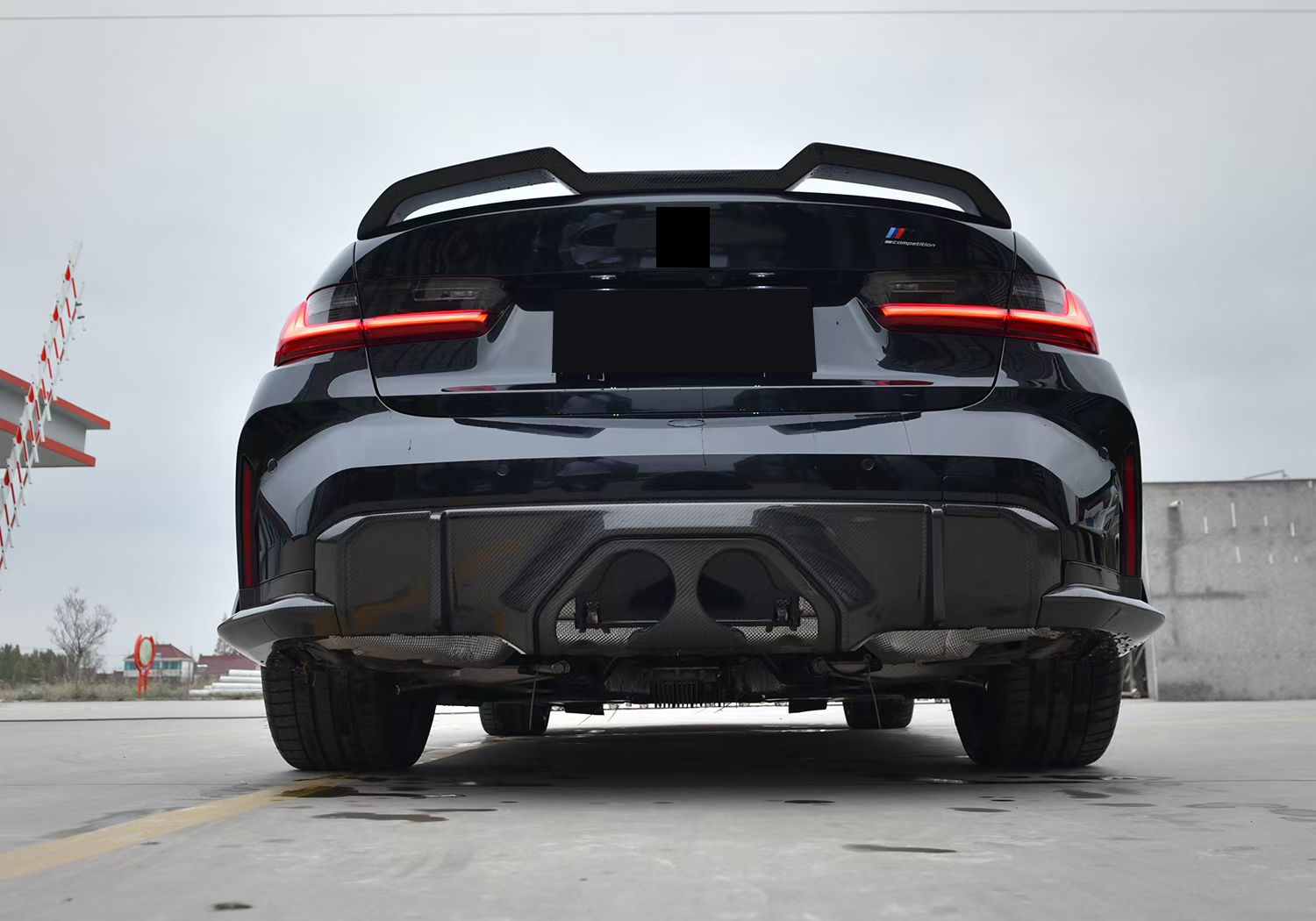
Aftermarket exterior tuning focuses heavily on consistent visual harmony around the vehicle rear section. Many enthusiasts upgrade exhaust tips to enrich rear styling, yet careless selection leads to disjointed outlines between exhaust tips and car rear bumper. Reasonable matching removes awkward visual gaps and ensures every set of exhaust tips coordinates naturally with bumper contours without unnecessary modification.
Core Visual Factors That Determine Exhaust Tips Matching Effect
Select Suitable Exhaust Tips Size According to Bumper Outline
The overall proportion of exhaust tips directly interacts with car rear bumper lines. Oversized exhaust tips occupy excessive space and crowd bumper decorative areas, while undersized models create hollow, incomplete visual impressions. Measurement of bumper reserved cutout width and vertical clearance provides objective reference for exhaust tips diameter selection. Flat-shaped bumpers accommodate wider exhaust tips, and curved, compact bumper designs require slender, streamlined exhaust tips to maintain proportional balance. Every set of exhaust tips needs to echo the original curve language of rear bumper panels to avoid abrupt styling transitions.
Match Exhaust Tips Layout With Factory Bumper Cutout Design
Factory rear bumpers reserve specific positions for exhaust outlets, and layout mode sets the baseline for exhaust tips arrangement. Single outlet bumpers fit single exhaust tips or twin stacked exhaust tips, while dual symmetrical cutouts match side-by-side exhaust tip sets. Adjustments beyond the original layout often demand bumper cutting, which introduces irreversible damage to body panels. When retaining original bumper structures, exhaust tips symmetry, spacing and horizontal height must align with cutout positioning. Well-matched exhaust tips follow preset mounting zones and deliver a factory-tuned visual effect.
Hidden Risks Brought by Improper Exhaust Tips Matching
Visual Imbalance Ruins Integrated Rear Styling
Styling inconsistency stands out easily on vehicle rear assemblies. Exhaust tips with inconsistent surface finish or mismatched angles break the unified texture of rear bumper trim. Exhaust tips protruding too far outward disrupt bumper contour flow, and overly recessed tips appear sunken and lack layering. Small mismatches accumulate and turn refined tuning into messy exterior updates. Careful calibration eliminates these defects and lets exhaust tips serve as a subtle styling highlight rather than an awkward accessory.
Improper Dimensions Trigger Physical Interference Issues
Visual mismatch represents only part of potential trouble. Ill-sized exhaust tips may collide with bumper inner structures during engine vibration or suspension compression. Persistent friction scratches bumper coating and exhaust tip surfaces, and long-term contact risks thermal damage to plastic bumper sections. Exhaust tips positioned too close to bumper materials transfer high exhaust heat and accelerate plastic aging. Correct dimension matching creates safe clearance and separates exhaust tips from vulnerable bumper components.
Practical Commercial Modification Case & Industry Standards
Automotive Tuning Shop Exhaust Modification Matching Case
A regional automotive tuning workshop received repeated customer complaints about disjointed rear styling after exhaust upgrades. Technicians previously prioritized exhaust flow performance and ignored contour coordination between exhaust tips and car rear bumper. Several vehicles suffered protruding tips and uneven gaps after installation. The workshop built standardized measurement workflows before modification to evaluate bumper shape, cutout size and available clearance. After process adjustment, most projects achieved seamless visual coordination between exhaust tips and bumpers, and customer feedback on exterior appearance improved significantly.
SAE Standards for Aftermarket Exterior Component Installation
SAE J1249 outlines specifications for aftermarket exhaust component installation on passenger vehicles. The document reminds installers to maintain adequate thermal clearance between exhaust assemblies and plastic body panels such as rear bumpers. Standard guidelines also cover dimension calibration to prevent vibration-induced contact between exhaust tips and surrounding bodywork. Tuning specialists reference these requirements when selecting and mounting exhaust tips to balance aesthetic pursuit and long-term vehicle structural protection.
Practical Selection & Installation Guidance for Exhaust Tips Matching
Start with complete dimensional measurement before choosing exhaust tips. Record cutout width, available depth and maximum allowable protrusion range on the car rear bumper. Match surface finish of exhaust tips with other bumper decorative trims; brushed metal finishes coordinate with matte bumper trim, and polished variants suit glossy exterior packages. Carry out dry fitting without final fastening first to observe symmetry, gap and angle from multiple viewing angles. Fine-tune mounting brackets to adjust exhaust tips position until outlines blend smoothly with bumper curves. Check thermal clearance repeatedly to prevent heat transfer damage after road testing.
Thoughtful coordination turns exhaust tips into a seamless extension of car rear bumper styling. Precise control over size, layout and mounting position lets exhaust tips upgrade exterior aesthetics while avoiding physical interference and irreversible body modification.
Frequently Asked Questions
Can exhaust tips be installed if the rear bumper has no reserved cutouts?
Extra bumper cutting is required for installation, which brings permanent body changes. Measure internal space fully and evaluate thermal clearance before modifying panels to fit exhaust tips.
How much outward protrusion works best for properly matched exhaust tips?
Most vehicle setups achieve balanced visuals with 15mm to 30mm protrusion. Adjust according to bumper curvature, and ensure exhaust tips never contact bumper during suspension movement.
Does surface finish affect matching effect between exhaust tips and rear bumper?
Surface texture creates strong visual influence. Match polished, brushed or black coated exhaust tips with existing bumper trim finish to maintain unified rear section styling.
Can dual exhaust tips fit bumpers originally designed for single exhaust outlets?
Modification on bumper cutouts and exhaust piping layout is necessary. Confirm symmetrical space on both sides and avoid uneven gaps after installing dual exhaust tips.
How to avoid thermal damage from exhaust tips to plastic rear bumper?
Reserve at least 20mm clearance between exhaust tips and bumper materials. Shielding heat shields can be added if exhaust tips sit too close to sensitive plastic components.
Are angled exhaust tips suitable for all types of car rear bumper?
Angled exhaust tips require matching bumper slope. Inappropriate angles create distorted gaps. Conduct dry fitting to check visual coordination before securing exhaust tips permanently.