EN
EN



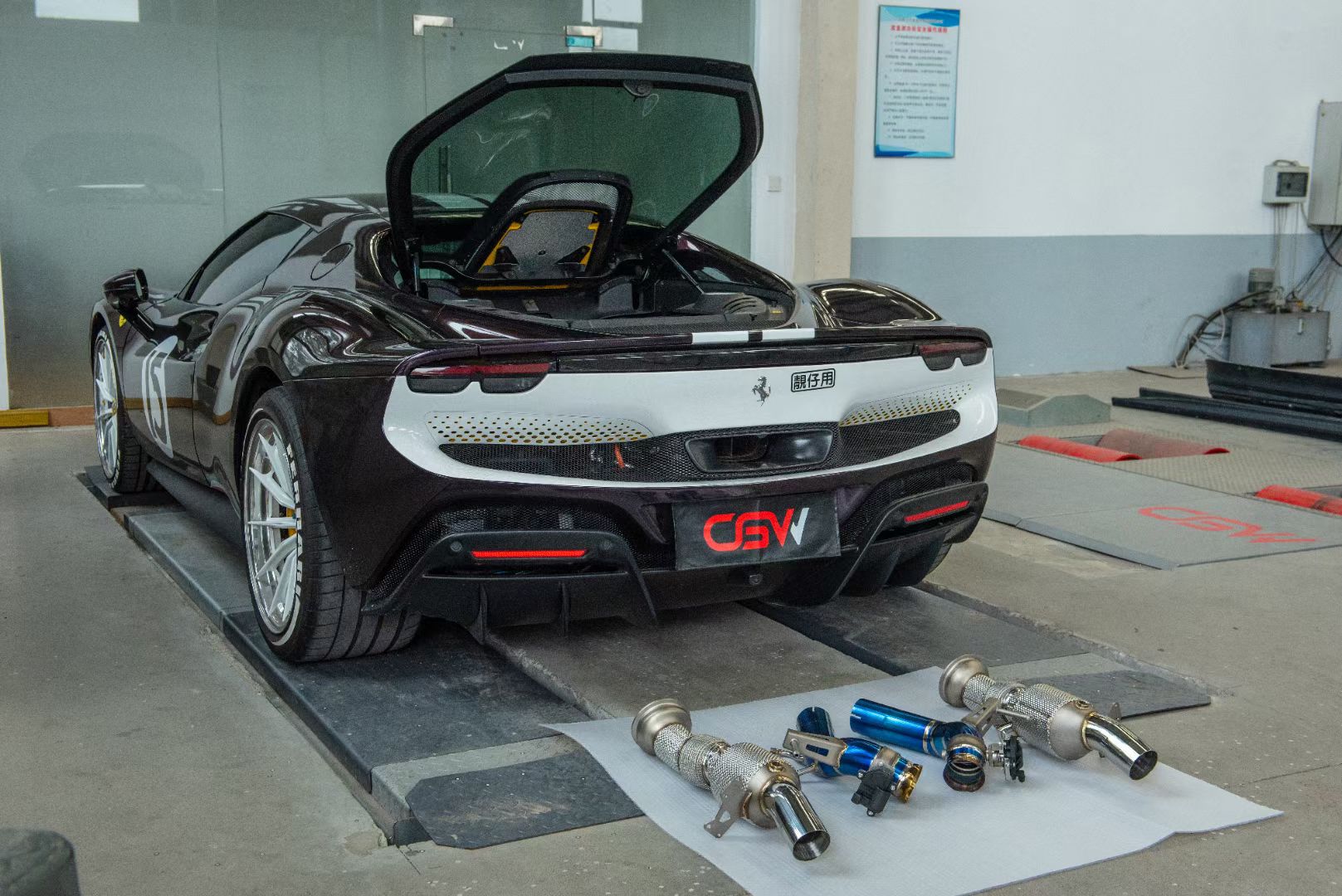
Vehicle modification enthusiasts face obvious contradictions when choosing exhaust hardware. Many drivers expect mild, subtle sound during urban commuting, while seeking aggressive resonant tone when driving on open roads or tracks. Traditional single-setting exhaust systems cannot switch between two states, forcing users to compromise on either daily comfort or performance feedback. A well-built valvetronic exhaust adopts mature dual mode design, switching operating states freely to accommodate quiet daily cruising and loud racing driving without replacing exhaust components.
Working Logic Behind Dual Mode Valvetronic Exhaust
Internal Valve Structure of Valvetronic Exhaust
The core difference separating valvetronic exhaust from conventional exhaust lies in built-in electronically controlled bypass valves. Independent actuators drive valve plates to open or close the auxiliary exhaust channel inside the piping. When the valve stays closed, exhaust gas flows through narrow muffler channels for sufficient noise reduction. Opening the valve creates a direct low-resistance passage for exhaust airflow. This integrated structural layout allows one set of valvetronic exhaust to deliver two completely different operating characteristics without extra pipe modification.
Sound & Backpressure Adjustment Mechanism in Two Modes
Dual mode operation relies on airflow path changes to adjust acoustic effect and exhaust resistance. Under quiet mode, exhaust gas passes through multi-layer muffler chambers, consuming vibration energy and lowering decibel levels suitable for city traffic. Racing mode opens the bypass route, shortening muffler travel distance and amplifying exhaust resonance. Properly calibrated valvetronic exhaust maintains reasonable backpressure in both modes. Unregulated valve designs create unstable pressure fluctuations that affect throttle response and engine operating stability.
Limitations Brought By Single-Mode Aftermarket Exhaust
Loud Fixed Exhaust Fails Daily Urban Driving
Non-adjustable performance exhaust keeps high volume output permanently. Continuous loud exhaust sound violates noise limits in many residential zones and urban road sections. Long-duration exposure to intense exhaust noise also creates driving fatigue during highway cruising. Modification shops receive frequent complaints from owners who install loud exhaust only to find the setup impractical for regular commuting.
Quiet Exhaust Lacks Desired Response For Track Scenarios
Exhaust systems built purely for noise reduction feature dense internal baffles and long airflow routes. These structures raise overall backpressure and restrict exhaust outflow under high RPM. Vehicles equipped with quiet exhaust struggle to release engine potential during aggressive acceleration. Such products satisfy daily travel needs but cannot deliver the dynamic feedback modification enthusiasts pursue for track or spirited driving.
Practical Commercial Case & Industry Standard Reference
Multi-Service Tuning Shop Valvetronic Exhaust Upgrade Case
A modification facility offering both street tuning and track preparation services encountered repeated product selection conflicts. Customers ordering fixed exhaust often returned later to swap hardware due to mismatched driving scenarios. The shop shifted inventory focus toward valvetronic exhaust with dual mode design. After completing dozens of installation projects, complaints related to incompatible exhaust tone dropped sharply. The flexible dual mode attracted broader customer groups covering commuter drivers and track hobbyists simultaneously.
SAE Standards for Adjustable Aftermarket Exhaust Systems
SAE J2827 sets testing protocols for measuring exhaust sound output of modified vehicles. The standard notes adjustable exhaust hardware such as valvetronic exhaust must maintain consistent sound levels within each selected mode. Reliable manufacturers calibrate valve opening ranges strictly according to testing specifications, avoiding sudden sound surges that break regional street legal requirements. Tuning technicians reference these standards during installation and mode debugging.
Practical Selection & Operation Advice for Valvetronic Exhaust
Key Parameters to Check When Sourcing Valvetronic Exhaust
Multiple details determine long-term usability of valvetronic exhaust. Verify actuator response speed and sealing performance of valve plates. Check internal piping layout to confirm balanced airflow distribution in both modes. Low-quality valve assemblies suffer sealing leakage, causing unintended sound leakage even under quiet mode. Review material durability to withstand continuous high-temperature exhaust impact during long-distance driving.
Routine Inspection to Maintain Stable Dual Mode Performance
Regular inspection prevents mode switching faults on valvetronic exhaust. Check actuator wiring harness for heat aging and loose connectors after heavy use. Confirm valve plates move smoothly without jamming caused by carbon accumulation. Clear carbon deposits on valve surfaces periodically to guarantee complete opening and closing. Timely maintenance preserves consistent tone difference between quiet mode and racing mode over years of operation.
Dual mode architecture makes valvetronic exhaust a versatile solution for multi-scene vehicle modification. Precise electronic valve control switches acoustic characteristics and exhaust resistance, meeting demands for quiet daily and loud racing driving within one complete exhaust assembly.
Frequently Asked Questions
How does valvetronic exhaust realize quiet and loud dual driving modes?
Valvetronic exhaust uses built-in electronic bypass valves to switch exhaust flow paths. Closed valves enable quiet daily driving, while open valves produce louder tone for racing-oriented driving.
Will mode switching of valvetronic exhaust affect engine power output?
Well-calibrated valvetronic exhaust maintains appropriate backpressure under both modes. Smooth airflow adjustment avoids power loss or unstable throttle response during valve operation.
Can valvetronic exhaust meet street legal noise regulations?
When operating under quiet mode, properly calibrated valvetronic exhaust stays within legal decibel limits. Racing mode may exceed local standards for public road traffic in certain regions.
What common faults appear on low-quality valvetronic exhaust?
Imperfect valve sealing leads to persistent sound leakage. Slow actuator reaction and carbon-induced jamming also disrupt stable mode switching of valvetronic exhaust after prolonged use.
Is professional debugging required after installing valvetronic exhaust?
Fine-tuning valve travel and response parameters helps balance tone difference between two modes. Professional adjustment prevents abnormal resonance under specific engine RPM ranges.
Can valvetronic exhaust be installed on naturally aspirated and turbo vehicles?
Valvetronic exhaust supports both powertrain types. Manufacturers adjust internal muffler structures to match distinct exhaust output characteristics of different engine layouts.