EN
EN



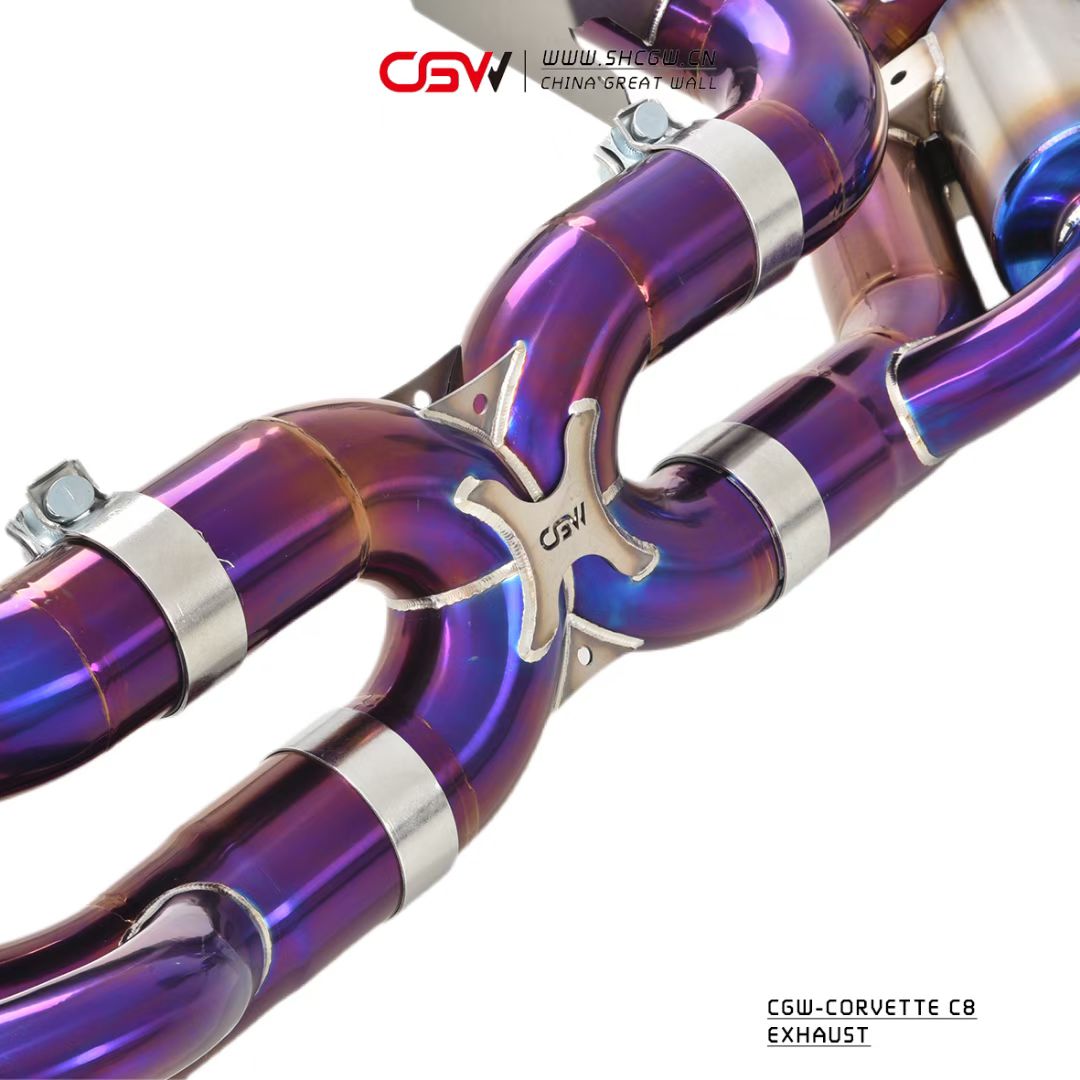
High-temperature exhaust radiation is one of the most overlooked hazards in modified vehicle engine bays. Stock and aftermarket metal header generate continuous radiant heat during engine operation, raising ambient temperature inside the engine compartment and affecting peripheral precision parts. A professionally built ceramic coated header blocks excessive thermal radiation from exhaust manifolds, achieving stable heat isolation and delivering comprehensive protection for the entire engine compartment.
How Ceramic Coated Header Achieves Professional Heat Isolation
Thermal Barrier Structure of Ceramic Coated Header Surface
The surface layer of a ceramic coated header forms a dense multi-layer ceramic barrier through high-temperature sintering. This specialized structure features low thermal conductivity, which locks most internal exhaust heat inside the header pipeline instead of releasing it outward. Ordinary bare metal header conducts heat rapidly and transfers high temperature to surrounding engine bay space. Ceramic coating changes the surface heat transfer mode, cutting radiant heat output significantly and forming reliable thermal isolation for vehicle modification scenarios.
Heat Dissipation Logic for Reducing Underhood Temperature
Effective temperature control relies on reasonable heat conduction balance rather than simple heat blocking. A qualified ceramic coated header retains proper internal pipeline heat to maintain smooth exhaust gas flow, while suppressing external heat diffusion. Stable internal temperature reduces exhaust gas condensation and backpressure fluctuation. Lower radiant heat outside the header optimizes overall underhood airflow circulation, avoiding local heat accumulation that triggers abnormal temperature spikes during high-load engine operation.
Common Damages Caused by Uncoated Header Excessive Heat
Accelerated Aging of Rubber and Plastic Components
Uncoated bare metal header releases massive radiant heat after long driving cycles. Rubber hoses, plastic covers and insulating sleeves inside the engine compartment stay in high-temperature environments for extended periods. Continuous thermal exposure causes material hardening, brittleness and surface cracking. Early aging of these basic components leads to oil leakage, air leakage and poor sealing issues, increasing routine vehicle maintenance frequency.
Thermal Fatigue on Engine Electrical Accessories
Precision electrical parts including sensors, wiring harnesses and ignition modules are highly sensitive to ambient temperature. Excessive heat radiated from uncoated header destabilizes electronic signal transmission and accelerates wiring insulation aging. Long-term thermal fatigue increases hidden failure risks during high-speed driving and heavy-load acceleration, affecting overall vehicle operation stability.
Practical Industry Case & Authoritative Automotive Standards
Performance Tuning Shop Header Thermal Protection Upgrade Case
A Florida-based performance tuning studio specializes in turbo modification and track vehicle upgrades. Multiple modified vehicles displayed frequent engine bay overheating and sensor failure issues after long track sessions. Technical inspection confirmed uncoated header radiant heat raised underhood temperature beyond safe thresholds. The studio replaced all stock header units with ceramic coated header products. Modified vehicles maintained stable underhood temperature during continuous high-load operation, and thermal-related component failures dropped obviously.
SAE Standard for Automotive Underhood Thermal Management
SAE J2223 specifies thermal management guidelines for automotive underhood components. The standard defines safe ambient temperature ranges for engine peripheral accessories and requires effective thermal isolation for high-heat exhaust components. Installing ceramic coated header complies with standardized underhood thermal control principles, reducing radiant heat interference and maintaining consistent working conditions for precision engine parts.
Practical Selection & Maintenance Tips for Ceramic Coated Header
Key Coating Process Indicators for Quality Judgement
High-performance ceramic coated header requires uniform coating thickness without peeling, blistering or uneven coverage. Sintering temperature standards determine coating adhesion and high-temperature resistance. Low-quality spray coating falls off under repeated thermal expansion and contraction, losing heat isolation ability quickly. Qualified industrial-grade ceramic coating maintains stable physical properties under long-term high-temperature cycling.
Daily Inspection Rules for Long-Term Heat Insulation Stability
Regular visual inspection helps retain consistent thermal performance of ceramic coated header. Check surface integrity after long-distance driving or track use. Clean surface dust and carbon deposits gently to avoid hard scraping that damages coating layers. Timely observation of underhood ambient temperature changes helps identify coating aging risks early and ensures lasting engine compartment protection.
A high-quality ceramic coated header delivers stable thermal isolation performance for modified vehicles. Scientific coating structure and professional thermal control logic reduce underhood heat accumulation, protecting engine compartment components from long-term thermal damage.
Frequently Asked Questions
How does a ceramic coated header protect the engine compartment?
A ceramic coated header forms a low thermal conductivity barrier to lock internal exhaust heat. It reduces outward radiant heat and keeps engine compartment ambient temperature within safe ranges.
Does ceramic coating affect the exhaust performance of a header?
Professional ceramic coating does not hinder exhaust flow. It stabilizes internal pipeline temperature and reduces backpressure fluctuation to maintain consistent engine exhaust efficiency.
What problems will uncoated header cause in the engine bay?
Uncoated header releases strong radiant heat. It accelerates aging of rubber, plastic and wiring parts and causes local overheating during high-load driving conditions.
How to distinguish high-quality ceramic coated header products?
Check uniform coating thickness, complete sintering texture and smooth surface finish. Reliable products show no peeling or blistering under repeated high-temperature cycles.
Is routine maintenance required for ceramic coated header?
Light surface cleaning and regular visual inspection are necessary. Avoid hard friction and chemical corrosion to preserve long-term heat insulation performance.
Does ceramic coated header fit all modified vehicle types?
Ceramic coated header adapts to most street and track modified vehicles. It provides effective thermal protection for daily driving and high-load engine operation scenarios.