EN
EN



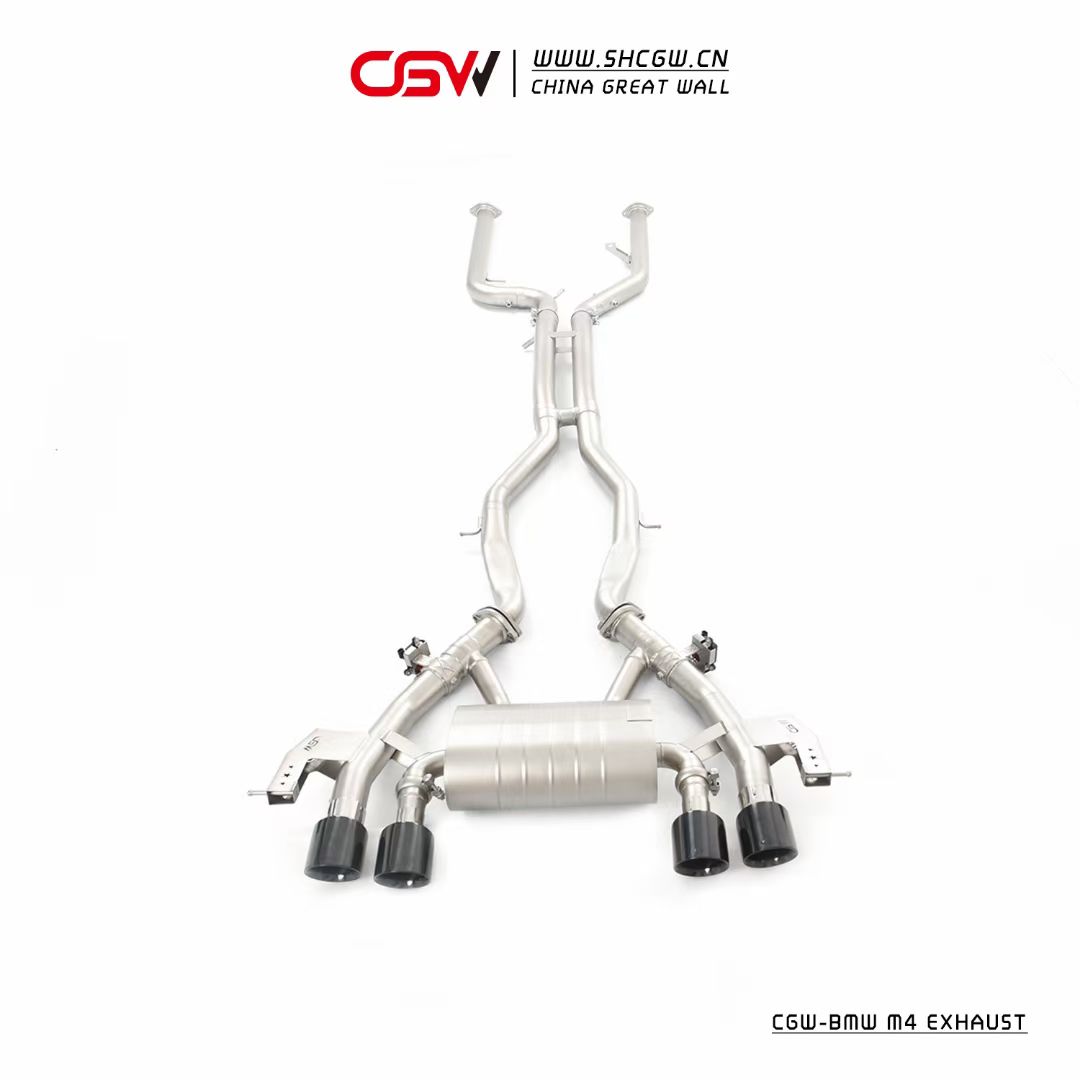
The automotive exhaust aftermarket faces increasingly segmented consumer demands as vehicle modification culture matures globally. Most end consumers select upgrade exhaust systems based on personal driving scenarios, aesthetic preferences and daily usage environments, instead of purely focusing on performance parameters. A flexible lineup with rich cat back tone options enables aftermarket merchants to match segmented user needs accurately and expand target customer groups in the competitive tuning market.
Why Diverse Cat Back Tone Options Fit Current Aftermarket Market Demand
Different Driver Groups Have Distinct Cat Back Exhaust Tone Preferences
Vehicle owners display highly differentiated sound requirements when upgrading a cat back exhaust system. Urban commuters prioritize low-volume, deep cat back exhaust tone that complies with city noise limits and delivers comfortable daily driving experience. Track-focused drivers pursue bold, resonant exhaust notes that amplify throttle response and engine performance feedback. Casual tuners prefer balanced, crisp exhaust tones that add subtle personality without harsh noise. These varied preferences prove that standardized single-tone exhaust products cannot satisfy multi-scene modification needs, making adjustable and multi-style cat back tone configurations essential for B2B suppliers.
Single-Tone Exhaust Products Limit Market Customer Coverage
Aftermarket suppliers relying on fixed single-tone cat back inventory face obvious sales bottlenecks. Aggressive loud exhaust tones fail street legal testing in most European and Asian urban regions, eliminating massive daily-driver customer groups. Overly muted cat back setups lack modification characteristics and cannot attract performance-focused buyers. Inventory with no alternative tone ranges locks merchants into narrow market segments, slowing order conversion and repeat client cooperation. Multiple cat back tone options effectively break regional and user-type restrictions to cover broader global aftermarket demands.
Potential Business Risks of Undiversified Cat Back Product Lines
Missed Sales Opportunities From Segmented Consumer Demands
Global automotive modification markets carry clear regional preference differences for cat back exhaust tone. Residential-area users prioritize quiet and smooth exhaust output, while suburban and racing communities accept louder performance-oriented sound profiles. Merchants offering only one fixed tone style cannot adapt to cross-region preference gaps. Dealers and retail clients tend to cooperate with suppliers who can provide multi-scene exhaust solutions, resulting in lost bulk order opportunities for single-product vendors.
Low Market Competitiveness in Homogeneous Aftermarket Industries
The global aftermarket exhaust sector features severe product homogenization. Most basic cat back products share similar piping structures and surface treatments. Exhaust tone difference becomes one of the few effective differentiated selling points. Factories and trading companies that fail to launch diverse cat back tone options struggle to stand out in wholesale inquiries. Buyers consistently prioritize suppliers with customizable sound tuning capabilities for long-term partnership and batch procurement.
Practical Case & Authoritative Industry Standards
Automotive Aftermarket Supplier Cat Back Upgrade Case
A China-based automotive exhaust manufacturer focused on wholesale cat back products for North American and European markets. The company previously offered only one universal aggressive exhaust tone, causing high customer return rates from European urban dealers due to local noise regulations. After upgrading production lines to support three adjustable cat back tone modes—quiet street mode, balanced sport mode, and racing resonant mode—the enterprise reduced invalid returns significantly and expanded cooperation with urban modification shops and racing retailers simultaneously.
SAE Standards for Street-Legal Exhaust Tone Design
SAE J2827 establishes standardized testing specifications for aftermarket exhaust sound measurement. The standard defines legal decibel ranges for road-driven vehicles and requires aftermarket cat back modifications to maintain stable tone output under different engine RPMs. Professional suppliers design multi-tone cat back products based on SAE test data to ensure each tone variant meets regional street-legal requirements while retaining personalized modification effects.
Practical Merchants’ Operation & Selection Guidelines
Scientific Selection of Mainstream Cat Back Tone Types
Stable market sales rely on reasonable cat back tone product layout. Merchants should stock quiet street versions for mass daily commuter markets, balanced sport tones for mainstream modification users, and aggressive racing tones for niche performance clients. Matching product proportions according to target regional regulatory environments avoids unsalable inventory and improves overall turnover efficiency.
Routine Inspection Methods for Stable Exhaust Tone Output
Consistent tone quality builds long-term buyer trust. Batch inspection must verify cat back tone stability under idle, acceleration and high-speed cruising conditions. Resonator internal structures and muffler cotton density directly determine final sound performance. Regular component sampling checks prevent inconsistent tone output caused by raw material deviation or welding defects.
Diversified cat back tone options remain the core solution for aftermarket merchants to capture multi-layer customer groups. Reasonable tone classification and standardized production help suppliers meet global personalized modification demands while maintaining regulatory compliance and product stability.
Frequently Asked Questions
What are the most popular cat back tone types for aftermarket sales?
Quiet street tone, balanced sport tone and aggressive racing tone dominate global markets. These three cat back tone variants cover daily driving, mainstream tuning and niche performance modification demands for most vehicle owners.
Can multi-tone cat back exhaust meet different regional noise laws?
Yes. Different preset cat back tone ranges allow dealers to select street-legal low-decibel modes for urban regions and high-performance tones for unrestricted modification areas.
Why do bulk buyers prefer suppliers with diverse exhaust tone options?
Multi-tone cat back inventory allows retailers to serve wider customer groups without expanding warehouse categories, improving capital utilization and overall market adaptability.
What structural design makes different cat back exhaust tone effects?
Internal resonator chamber size, muffler fiber filling and pipe hole layout adjust air flow frequency, forming quiet, balanced or aggressive cat back tone outputs.
Does different exhaust tone affect vehicle driving performance?
Moderate tone adjustment via cat back structure does not damage engine performance. Professional tuning maintains stable backpressure while changing only sound frequency and volume.
How to judge stable tone quality when purchasing cat back exhaust in bulk?
Check tone consistency across RPM ranges, verify SAE standard compliance, and sample-test finished products to avoid fluctuating cat back tone caused by unstable craftsmanship.